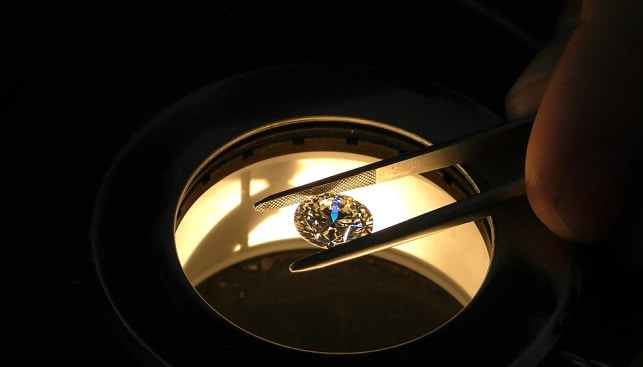
A study led by researchers at the Vrije Universiteit (VU) in Amsterdam could have a lasting effect on the global diamond trade: researchers studied 26 diamonds formed under extreme melting conditions in the Earth’s mantle and found two populations, one of which is much younger than the other.
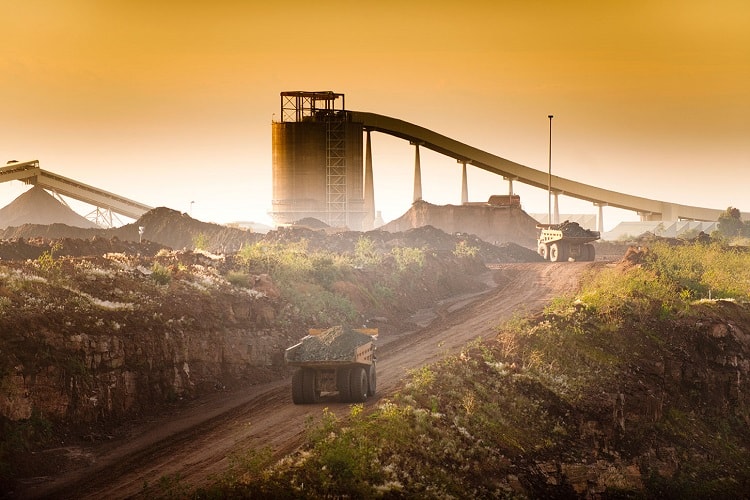
The study, published in Nature Communications, analysed diamonds from the Venetia mine in South Africa, and found that the diamonds had formed in “at least two separate events”: nine of the diamonds had an age of around 3 billion years, while ten diamonds were dated 1.1 billion years ago, “correlating with a giant volcanic event at Umkondo in southern Zimbabwe”.
Janne Koornneef, who led the study, is quoted as saying: “Conventional thinking has been that the level of melting needed to create these diamonds could only happen early in the history of the Earth when it was much hotter. We show that this is not the case and that some harzburgitic diamonds are much younger than assumed. We propose that our younger set of diamonds formed in a special environment where a major plume from the deep mantle was raised towards the surface and underwent extensive melting as the pressure reduced”.