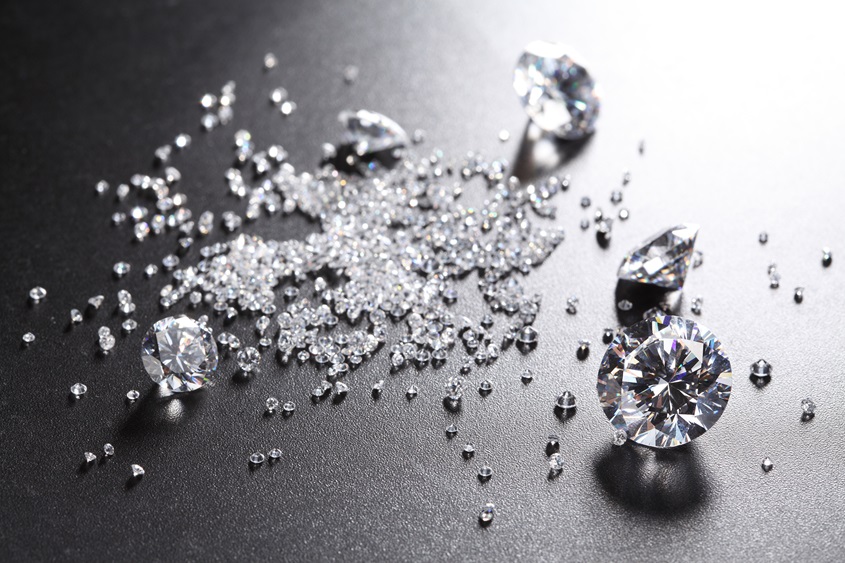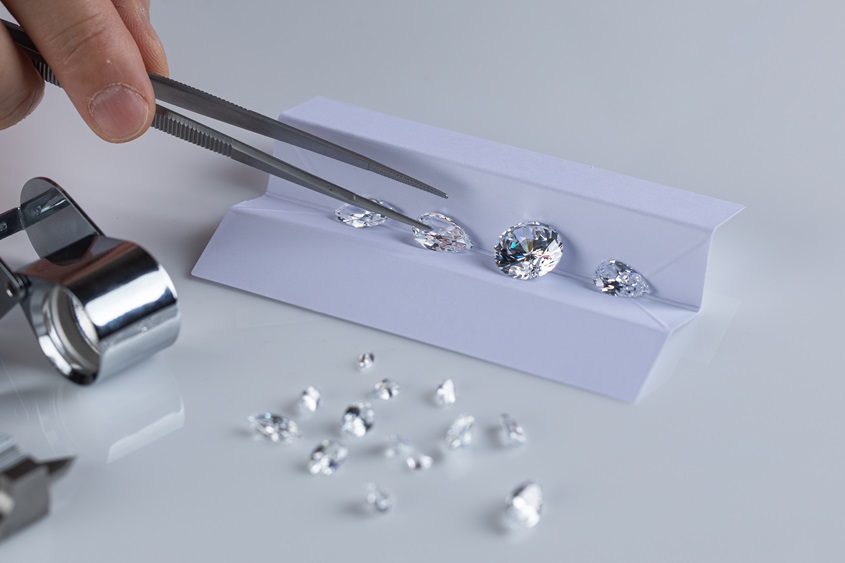
Gemology is the science of diamonds and gemstones. Gemology studies the source of gemstones and their shapes and deals with the identification and grading of stones based on various criteria.
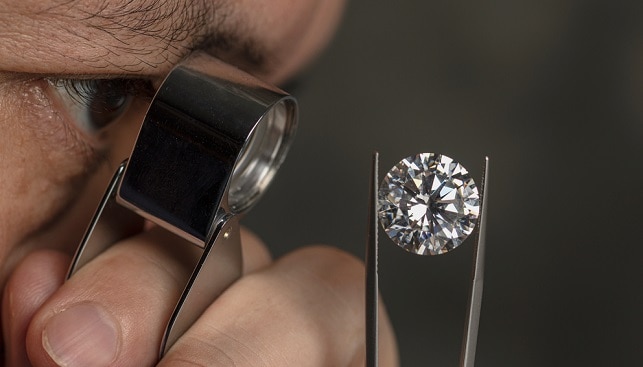
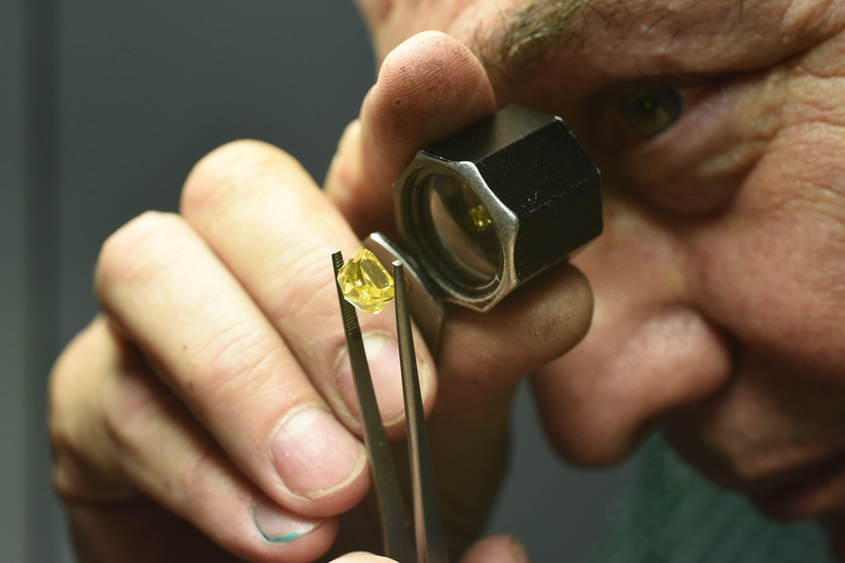
A gemological laboratory is where diamonds, gemstones and jewelry are graded using optical and electro-optical equipment, as well as innovative analytical science.
Gemological laboratories serve manufacturers and dealers in the diamond, gemstone and jewelry industries, as well as store owners and the general public, by providing professional information about diamonds. The role of a gemological laboratory is to identify and grade gemstones and diamonds as objectively as possible, while complying with the guidelines set by the International Diamond Council.
The laboratory must maintain professionalism of the highest level, be impartial and adhere to the rules of proper disclosure. Gemological laboratories are expected to follow international criteria and, in accordance with the rules of disclosure, provide a full and accurate description of the item under review.
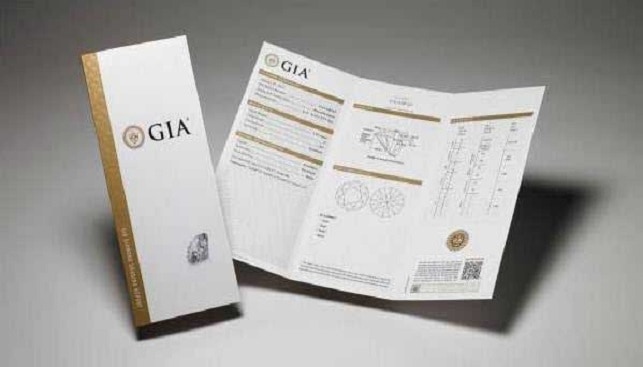
Gemological laboratories further provide diamonds with a certification of grading according to the four prevalent industry criteria: color, clarity, carat and cut (the 4C’s).
The first gemological laboratory was established in London in 1925. In 1931, Robert Shifley and his wife Beatrice founded the first gemological laboratory in the United States – the Gemological Institute of America. Today, there are gemological laboratories in the United States, Britain, India, Japan, Belgium, Russia, Australia, and Israel.
While different gemological laboratories may issue different certificates for a single diamond, the world’s leading laboratories will usually produce very similar grading results.
This entry is based on “What is a Gemological Laboratory,” an article by Shira Ami, published in “ha’Yahalom” issue 204 in September 2011.